Your 2025 strategy is already obsolete. Here’s what’s coming.
1. Social Commerce Eats Traditional E-commerce
Forget driving traffic to your website. By 2026, the purchase happens where the discovery happens.
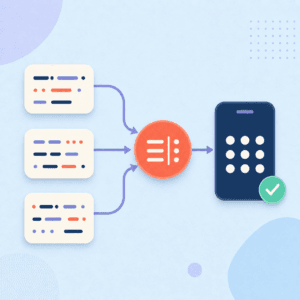
TikTok Shop is already processing billions in sales. Instagram Checkout is becoming the default for Gen Z. YouTube Shopping lets you buy directly from videos. Even WhatsApp is transforming into a full marketplace. The traditional e-commerce funnel where you discover on social, click to website, and purchase after three abandoned cart emails is dying.
What this breaks:
- Traditional funnel metrics (what’s a landing page?)
- Your beautiful Shopify store that nobody visits
- Email abandoned cart sequences
- SEO-driven e-commerce strategies
The shift demands a complete rethink of how you sell online. Native content that sells without feeling salesy. Influencer partnerships that actually drive transactions, not just awareness. Live shopping events that create urgency. Social-first product launches that never mention your website.
No social following = no social sales. Start building now.
2. AI Enhances Creativity (Not Replaces It)
The robots aren’t taking over. They’re becoming really good assistants.
By 2026, AI will handle the grunt work that burns out creative teams. Need 1,000 ad variations for different audiences? AI generates them overnight. Want to personalize creative for micro-segments? Finally actually possible. Tired of resizing ads for every possible placement? Automated.
But here’s what humans still own: the big idea that makes people stop scrolling. The brand voice that doesn’t sound like ChatGPT wrote it. The strategic decisions about positioning that require actual market understanding. The ability to tap into cultural moments before they’re trending.
AI is your intern army, not your replacement. The agencies that thrive in 2026 won’t be the ones that resist AI or the ones that hand everything over to it. They’ll be the ones that use AI to amplify human creativity, not replace it.
3. Attribution Dies, Modeling Lives
iOS 14 was the first domino. By 2026, traditional tracking is on life support.
When Apple rolled out App Tracking Transparency in 2021, it broke Facebook’s attribution overnight. Suddenly, that precise 28-day attribution window became a 1-day guess. But that was just the beginning. Google’s cookie deprecation, Android’s privacy features, and increasingly strict privacy laws in Europe and California are finishing what iOS 14 started.
What’s actually dying:
- View-through conversions (completely untrackable)
- Cross-device tracking (pure fantasy now)
- User-level data (aggregated only)
- Deterministic matching (replaced by probability)
By 2026, you won’t be able to follow a user from ad click to purchase with any real confidence. The platforms will give you modeled data, aggregated insights, and probability scores. But that pixel-perfect attribution you relied on? Gone.
This isn’t a temporary setback. It’s the new permanent reality. The companies still trying to hack their way around privacy restrictions will lose to companies that accepted reality and built better measurement systems. Marketing mix modeling, incrementality testing, and first-party data strategies aren’t nice-to-haves anymore. They’re the only measurement tools that will still work.
Stop chasing perfect attribution. Start chasing predictable growth patterns. Because by 2026, “did revenue go up?” might be the most honest metric you have.
4. Platform Consolidation Creates Mega-Channels
The platforms aren’t just competing anymore. They’re becoming everything-apps.
Meta is unifying Facebook, Instagram, and WhatsApp into one seamless ad platform. Google is connecting Search, Shopping, YouTube, and Maps in ways that make cross-platform campaigns automatic. Amazon keeps adding social features until it’s as much a discovery platform as a marketplace. TikTok is speedrunning to become the Western version of WeChat: commerce, messaging, payments, and entertainment in one app.
This consolidation simplifies some things. One platform, all placements. Unified reporting. Easier campaign management. But it also concentrates power in ways that should concern you. These platforms know everything about your customers’ behavior. The audiences get richer, but so does platform lock-in. The switching costs become astronomical.
What changes for marketers:
- Deep platform expertise beats broad knowledge
- Creative needs to work across wildly different placements
- Budget allocation becomes a three-horse race
- Platform relationships matter more than ever
Pick your primary platform wisely. By 2026, moving gets expensive.
5. Community Becomes the Only Moat
When everyone has AI tools and unlimited ad budgets, relationships win.
The math is simple. Customer acquisition costs keep rising. Privacy changes make targeting harder. Platform algorithm changes can kill your reach overnight. The only defense? Building something you actually own: a community of people who want to hear from you.
This isn’t about follower counts or vanity metrics. It’s about owned audiences (email, SMS, app users) who actually engage. Communities that create content for you. Direct relationships without platform intermediaries. The brands crushing it in 2026 won’t be the ones with the biggest ad budgets. They’ll be the ones whose customers actually like them enough to open their emails, join their Discord, and tell their friends.
What stops working:
- Buying audiences through lookalikes alone
- Renting attention without building relationships
- Treating customers as transactions
- Building entirely on platforms you don’t own
The revolutionary concept? Actually caring about your customers might be the best growth hack.
Your 2026 Prep List
Start now: Build social commerce capabilities on at least one platform. Test AI tools for efficiency gains (not creative replacement). Create first-party data capture in every customer interaction. Pick your hero platform and go deep.
Start Q1 2026: Launch on TikTok Shop or Instagram Shopping if you haven’t already. Run quarterly incrementality tests to establish baselines. Build SMS and email like your business depends on it (it does). Partner with creators who actually sell, not just post.
By mid-2026: Have meaningful revenue from social commerce. Run all measurement through marketing mix modeling. Operate profitably without third-party cookies. Build a community that would follow you if every platform disappeared tomorrow.
TL;DR
2026 isn’t about robots replacing humans or tracking disappearing entirely. It’s about social platforms becoming shopping malls, AI making good marketers better, measurement shifting to models, and communities becoming more valuable than ad budgets.
The winners won’t be the ones who predicted every change. They’ll be the ones who built real relationships while everyone else was buying impressions.