The Hidden Cost of Letting Sales Pick Their Own CRM Stages
Most CRM failures don’t come from bad software. They come from well-intentioned decisions that prioritize short-term convenience over long-term clarity. One of the most common examples is allowing sales teams to define their own CRM stages. While this often feels empowering and flexible, it introduces a set of hidden costs that quietly erode data integrity, marketing performance, and leadership confidence in the numbers.
CRM stages are not just labels. They are the language that connects sales, marketing, operations, finance, and leadership. When that language is inconsistent or loosely defined, the entire system begins to break down.
Confusing Terminology That Misleads the Organization
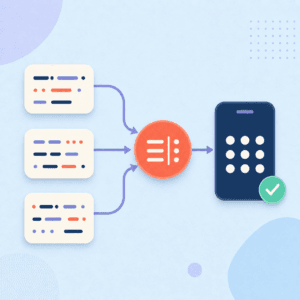
When sales teams define CRM stages without strict governance, terminology quickly becomes subjective. A stage like “Qualified Lead” may mean very different things depending on who moved the deal. For one rep, it might indicate a quick phone conversation. For another, it might require confirmed budget, decision-maker access, and a defined timeline. On a dashboard, both appear identical, even though they represent vastly different levels of buying intent.
This lack of shared definition creates misleading performance signals. Marketing teams may believe qualification rates are improving, leadership may feel confident in pipeline health, and finance may forecast revenue accordingly. In reality, these conclusions are being drawn from inconsistent inputs. When terminology is open to interpretation, reporting stops reflecting reality and starts reflecting assumptions.
Over time, this erodes trust in the CRM. Teams stop relying on reports, meetings turn into debates about whose numbers are “right,” and decision-making slows because no one is confident in the underlying data.
Misaligned Labels Create False Signals
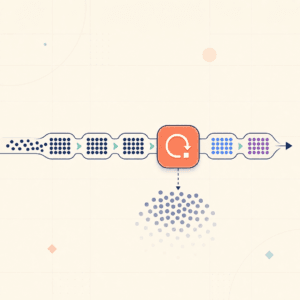
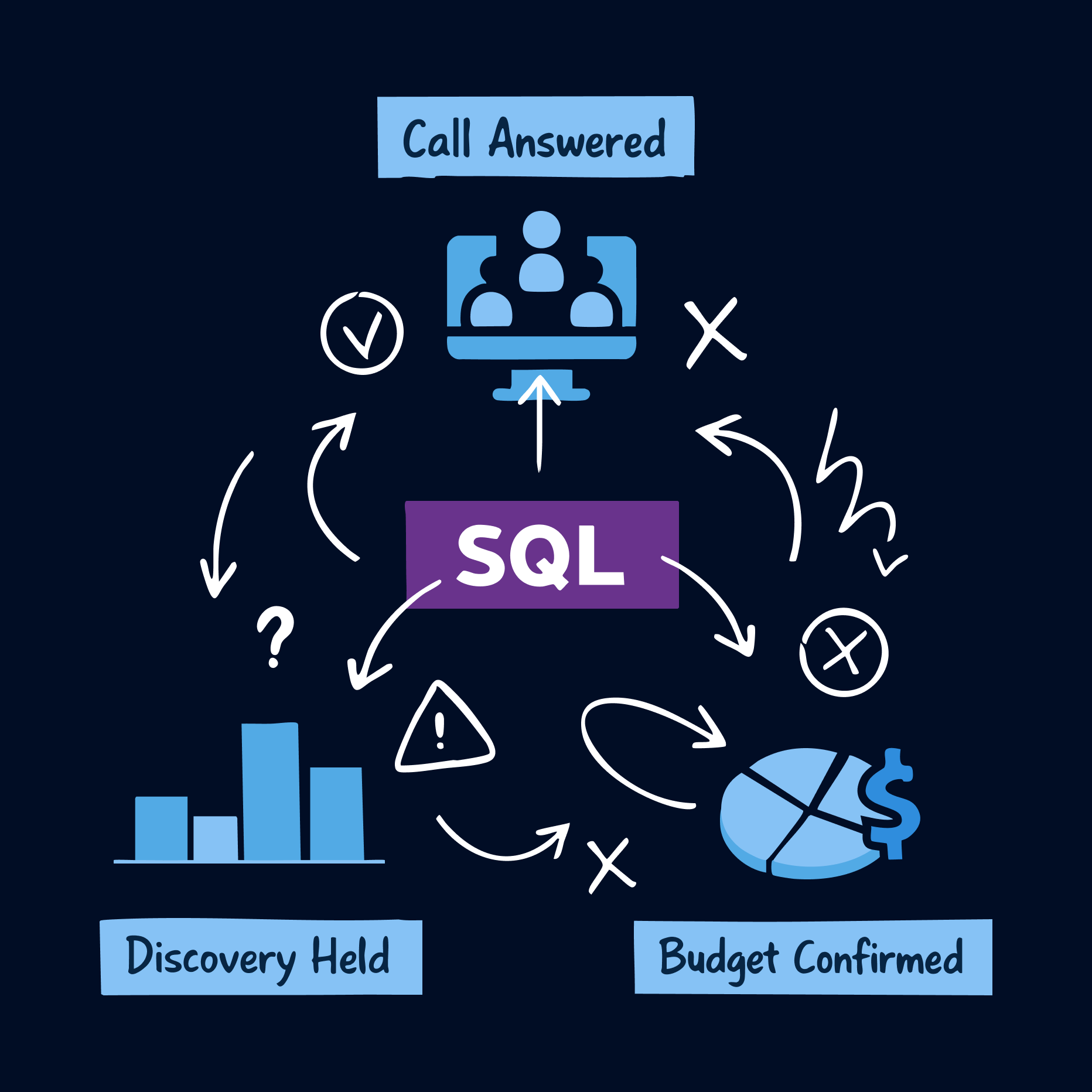
As CRM stages drift, the problem compounds. Sales teams naturally optimize for speed and efficiency, not semantic precision. As a result, stages begin to represent convenience rather than truth. “SQL” becomes shorthand for “we made contact.” “Discovery Scheduled” includes no-shows. “Proposal Sent” includes verbal pricing mentions. “Closed Lost” becomes a catch-all for deals that simply went quiet.
At that point, the CRM is no longer inaccurate — it is actively misleading. Metrics like conversion rates, stage velocity, and pipeline coverage lose all analytical value. Marketing teams begin optimizing toward downstream stages that were never truly earned. Forecasts swing unpredictably. Leadership loses confidence in both sales execution and marketing efficiency, even when individual contributors are doing their jobs well.
Once stage definitions lose their meaning, the CRM stops functioning as a system of record and becomes a system of opinion. Opinions do not scale, and they cannot support data-driven growth.
Lack of Consistency Breaks Marketing Integrations
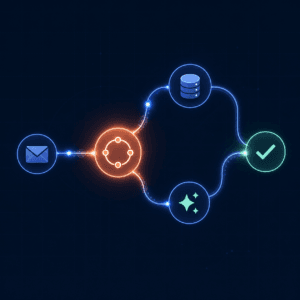
One of the most damaging consequences of sales-defined CRM stages is the impact they have on marketing integrations. CRM stages are not internal labels reserved for sales reporting; they are foundational inputs for automation, attribution, and optimization across the entire go-to-market stack. When stages are inconsistent or loosely defined, downstream systems do not fail loudly. They fail quietly, producing outputs that appear functional but are fundamentally flawed.
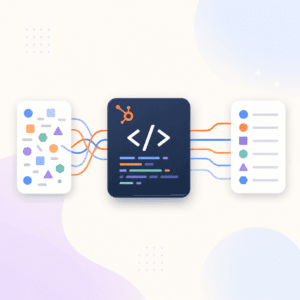
For marketing teams, CRM stages are the connective tissue between effort and outcome. They determine when lifecycle emails fire, how leads are scored, which audiences are built for retargeting, and which conversions are sent back to advertising platforms. Marketing experts rely on these stages to understand not just volume, but quality — which campaigns generate real buying intent, which channels influence revenue, and where prospects meaningfully progress through the funnel. When stage definitions are inconsistent, that visibility disappears.
Modern ad platforms depend on clean, deterministic signals to optimize effectively. Offline conversions sent to platforms like Google and Meta assume that a stage transition represents a single, reliable outcome. If a “Sales Qualified Lead” sometimes means a brief conversation and other times means confirmed intent, the algorithm cannot learn correctly. It will optimize toward noise instead of signal, pushing spend toward audiences that resemble low-quality leads rather than revenue-driving prospects.
The same breakdown occurs inside marketing automation systems. Lifecycle emails trigger based on stage changes that no longer reflect buyer readiness. Lead scoring models lose accuracy because they are trained on inconsistent milestones. Attribution reporting becomes unreliable because the same stage represents different realities across deals. Marketing teams may see activity increase while results stagnate, with no clear way to diagnose the issue.
This misalignment makes it nearly impossible for marketing experts to evaluate success. Campaigns cannot be judged accurately because the feedback loop is broken. Optimizations become guesswork. Budget decisions are made on incomplete or misleading data. Over time, this creates a false narrative that marketing performance is declining, when in reality the underlying measurement framework has collapsed.
When CRM stages are clearly defined and consistently enforced, marketing gains leverage. Performance can be traced from first touch through revenue. Channels can be compared honestly. Systems can be automated with confidence. Without that alignment, even the best marketing strategies struggle to show results — not because they fail to work, but because success can no longer be measured reliably.
The Cost You Never See on a P&L
The financial impact of this problem rarely shows up as a single line item. Instead, it manifests as compounding inefficiency. Customer acquisition costs rise because platforms are trained on flawed signals. Sales teams waste time prioritizing the wrong deals. Forecasts miss because pipeline health is overstated. Tension grows between sales, marketing, and operations as each team questions the others’ numbers.
Most damaging of all, leadership loses the ability to answer fundamental questions with confidence. Questions like which channels actually drive revenue, where deals truly stall, or what actions correlate with closing become difficult or impossible to answer. Without those insights, optimization becomes guesswork.
What High-Performing Teams Do Differently
High-performing organizations treat CRM stages as operational infrastructure, not sales preferences. Stages are defined centrally, with clear entry and exit criteria, and are designed to support marketing, sales, analytics, and leadership simultaneously. Sales teams retain flexibility within stages, but stage movement itself is governed by objective rules.
This approach creates alignment across teams, restores trust in reporting, and allows marketing systems to function as intended. Most importantly, it turns the CRM back into what it is supposed to be: a source of truth that enables better decisions at scale.
Final Thoughts
Letting sales pick their own CRM stages rarely causes immediate failure. Instead, it introduces subtle inconsistencies that compound over time until growth slows and no one can quite explain why. If your CRM stages mean different things to different people, the problem is not sales performance or marketing quality. It is system design.
And at scale, systems always win — or lose — regardless of intent.