What Happens When You Optimize Ads on Events That Never Close
Most experienced campaign managers agree on one thing: optimizing for link clicks or page views is a fast way to waste money. Those metrics tell you almost nothing about revenue, intent, or outcomes. They’re cheap signals, easy to generate, and largely disconnected from business results. Yet many lead generation campaigns make the same mistake under a different name—optimizing for events that look more advanced but still never close.
Any decent campaign manager will tell you that optimizing for link clicks or page views is like flushing money down the toilet.
Clicks and page views measure activity, not progress. They reward curiosity, not commitment. When you optimize toward them, ad platforms learn to find people who click easily, browse casually, and move on quickly. The algorithm does exactly what you asked—it maximizes the cheapest possible action—while you pay for traffic that has no structural relationship to revenue.
This is why most sophisticated teams abandoned click-based optimization years ago. It doesn’t matter how good your creative is or how compelling your offer looks if the optimization goal itself is disconnected from downstream outcomes. You’re teaching the platform to chase motion, not money.
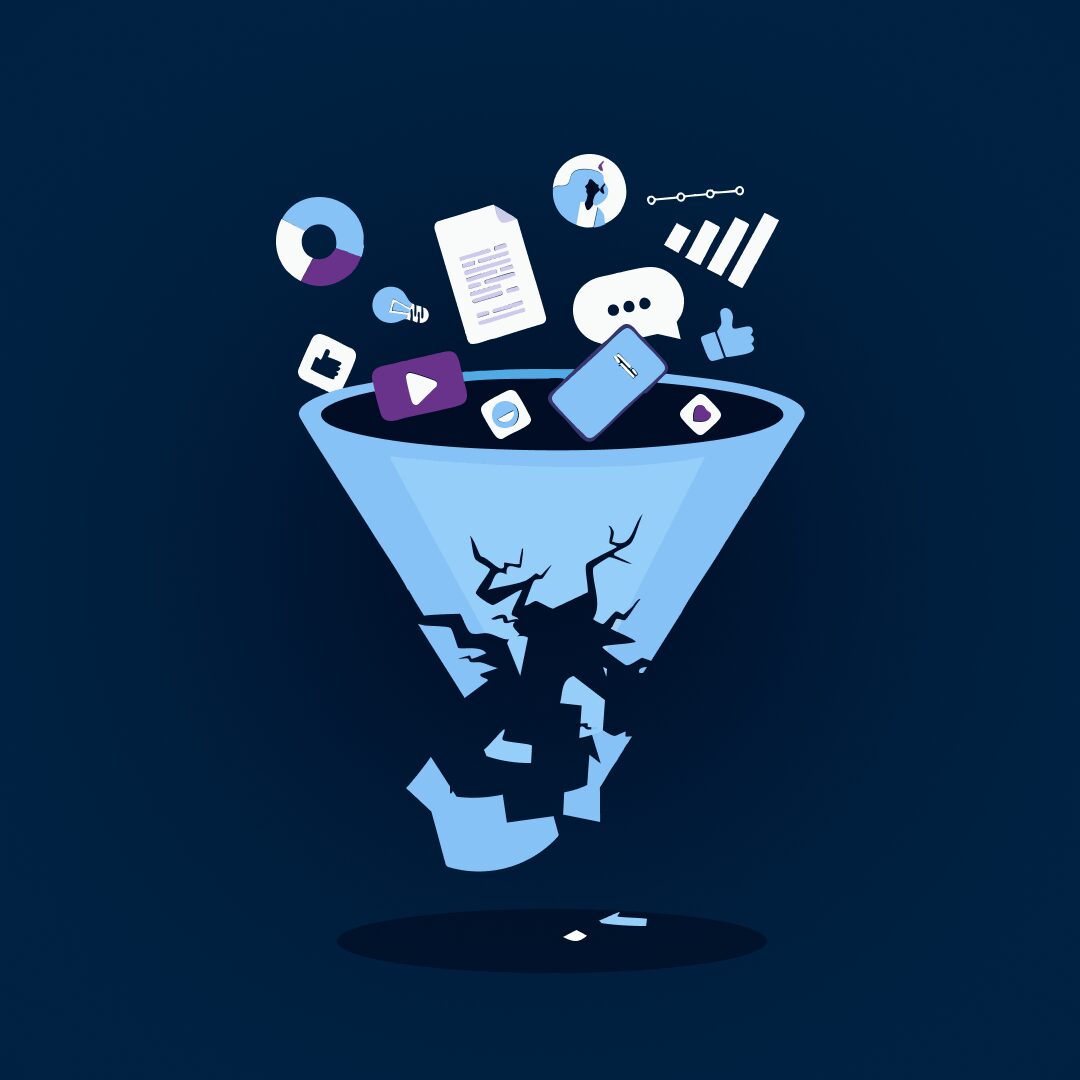
Optimizing for lead events that never close is essentially the same mistake.
In lead generation, form submissions, MQLs, or early-stage lifecycle events often feel safer than clicks. They look more intentional. They appear closer to revenue. But if those leads rarely convert into sales, the optimization problem hasn’t changed—you’ve just moved the goalpost slightly forward without fixing the core issue.
When platforms optimize for events that never close, they learn to find people who are good at becoming leads, not people who are likely to buy. Over time, the algorithm builds models around behaviors that correlate with low-friction submissions: discount seekers, form-fillers, and low-intent researchers. Performance metrics may look stable, but sales teams feel the mismatch immediately in low show rates, poor qualification, and stalled pipelines.
The long-term damage is subtle but severe. As more budget flows toward these hollow events, true buyers become underrepresented in the data. Lookalike audiences drift. Retargeting pools fill with noise. Scaling becomes harder because the system has been trained on the wrong definition of success.
The uncomfortable truth is that ad platforms are not broken—they are obedient. They optimize precisely for the signals you give them. If those signals don’t map to closed revenue, the platform cannot magically infer intent. No amount of creative testing, audience refinement, or bidding tweaks can compensate for optimizing toward events that never close.
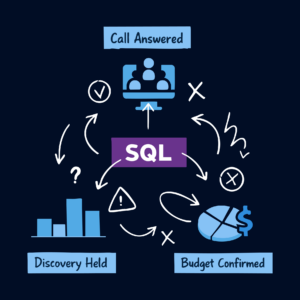
If you want platforms to drive revenue, you have to teach them what revenue looks like. That means feeding back late-stage, high-confidence signals—qualified conversations, held appointments, closed deals—not proxies that feel good in dashboards but fail in reality. Anything less is just a more expensive version of optimizing for clicks.